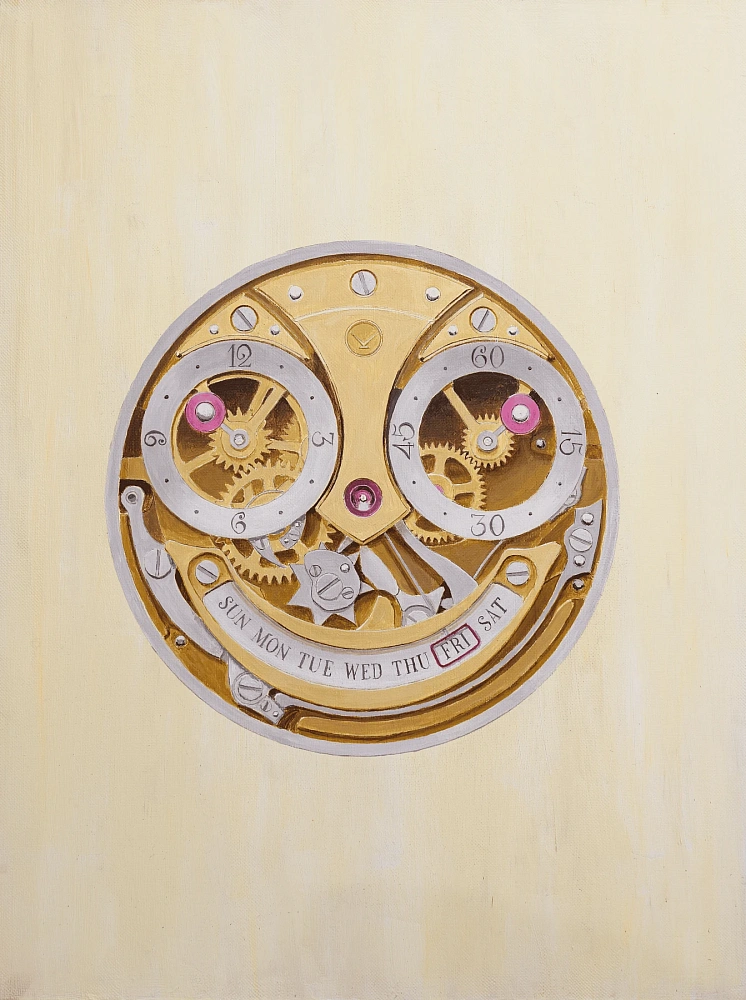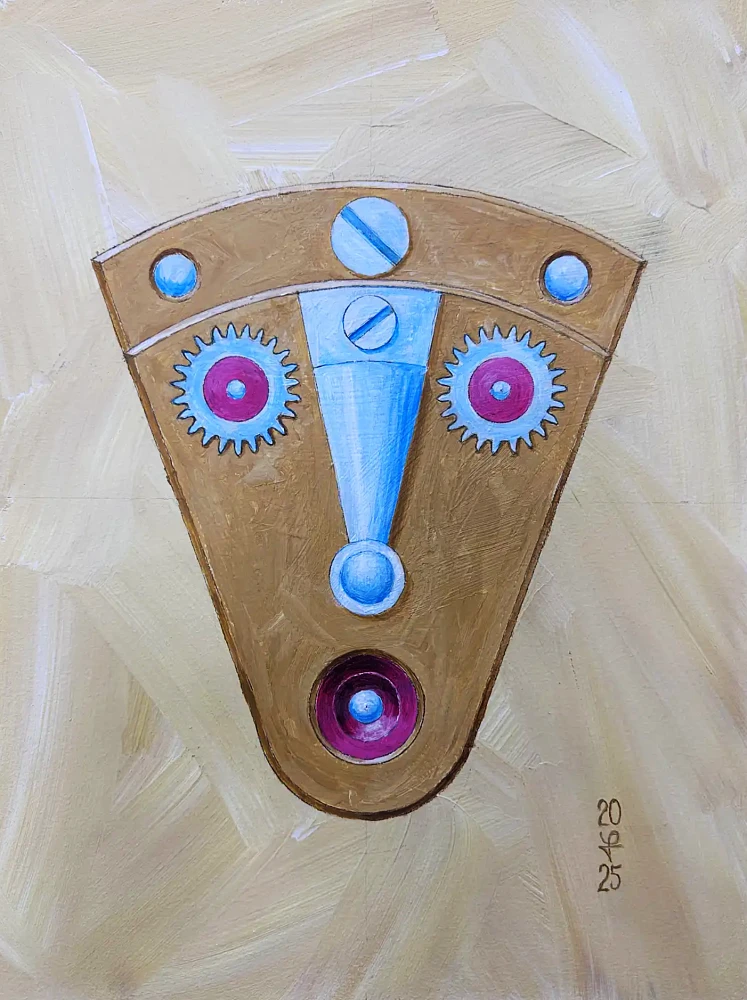
Mask 1
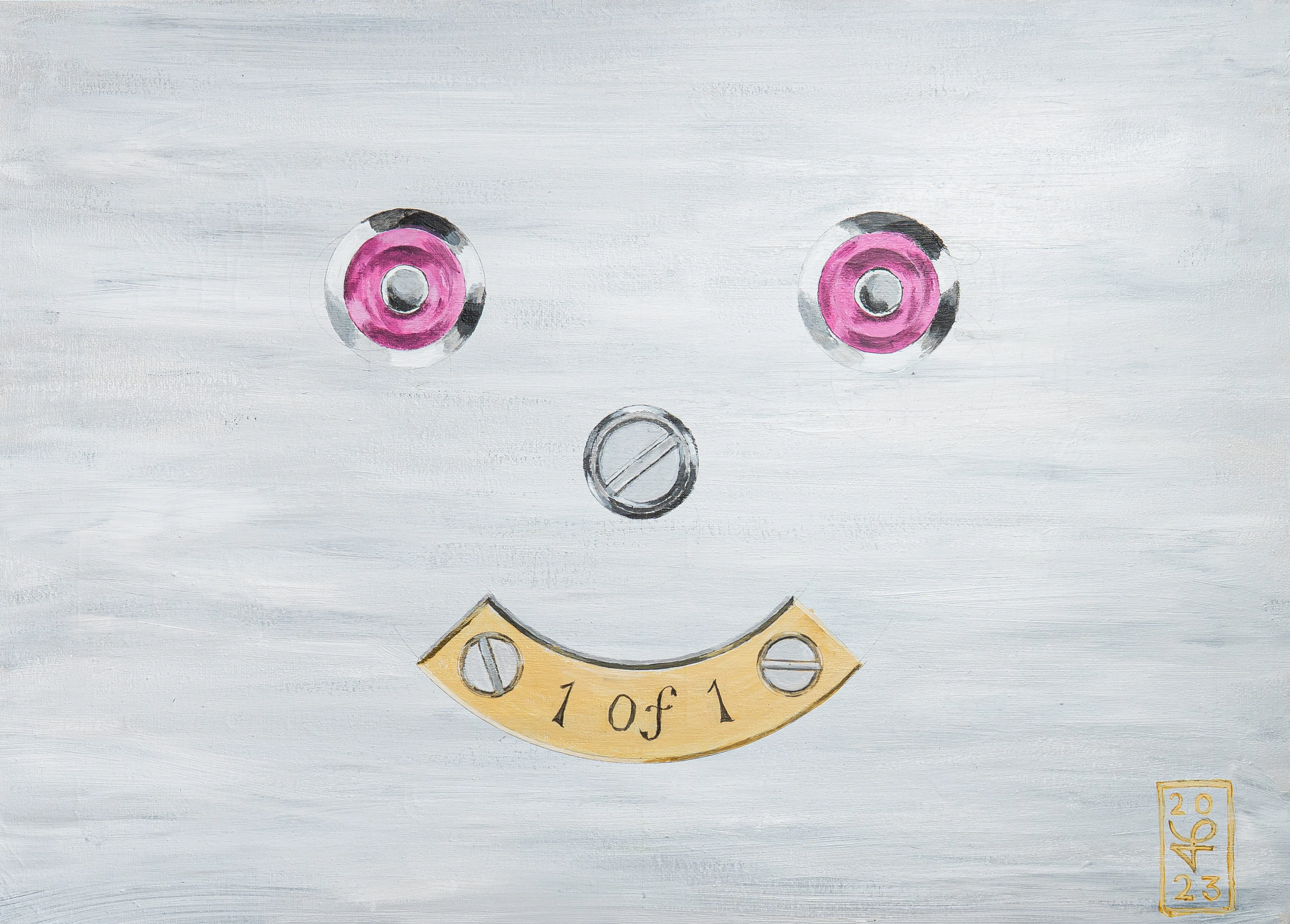
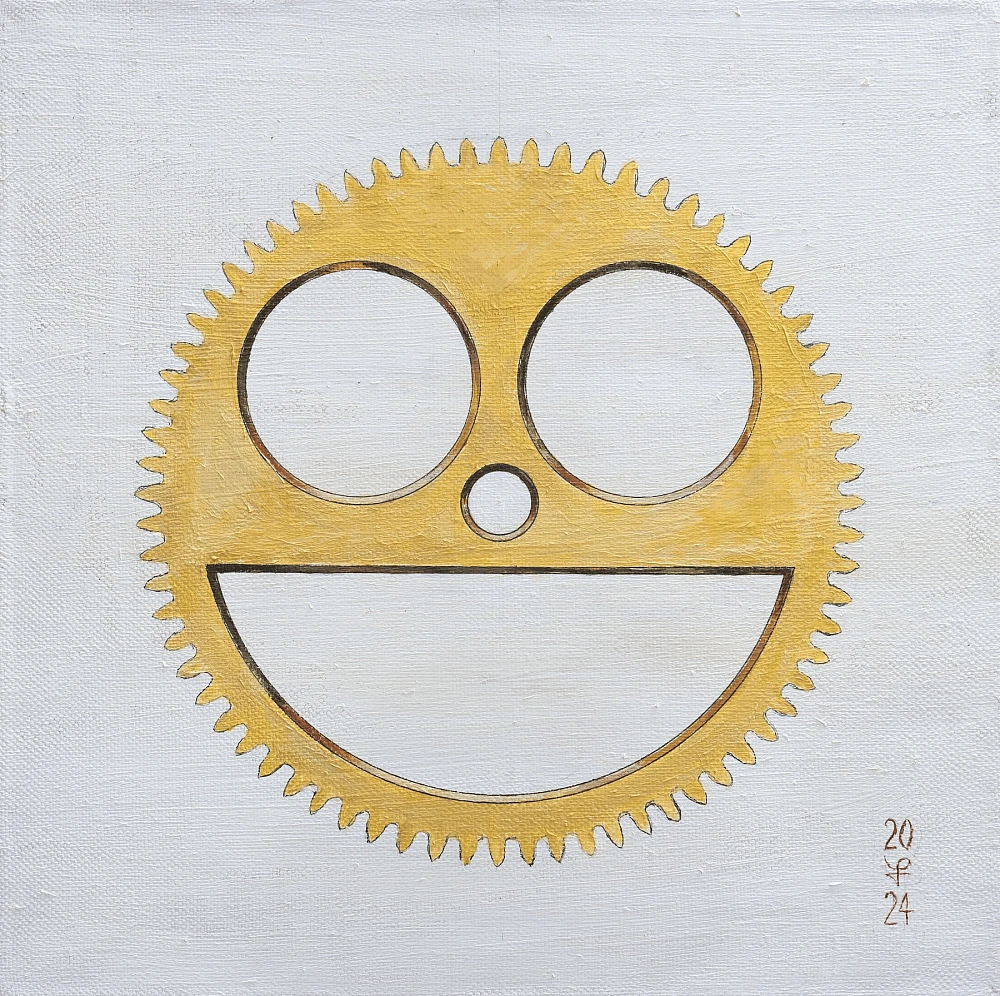
At the core of the painting 'Mask 1' lies the idea of balance — not so much mechanical as human and existential.
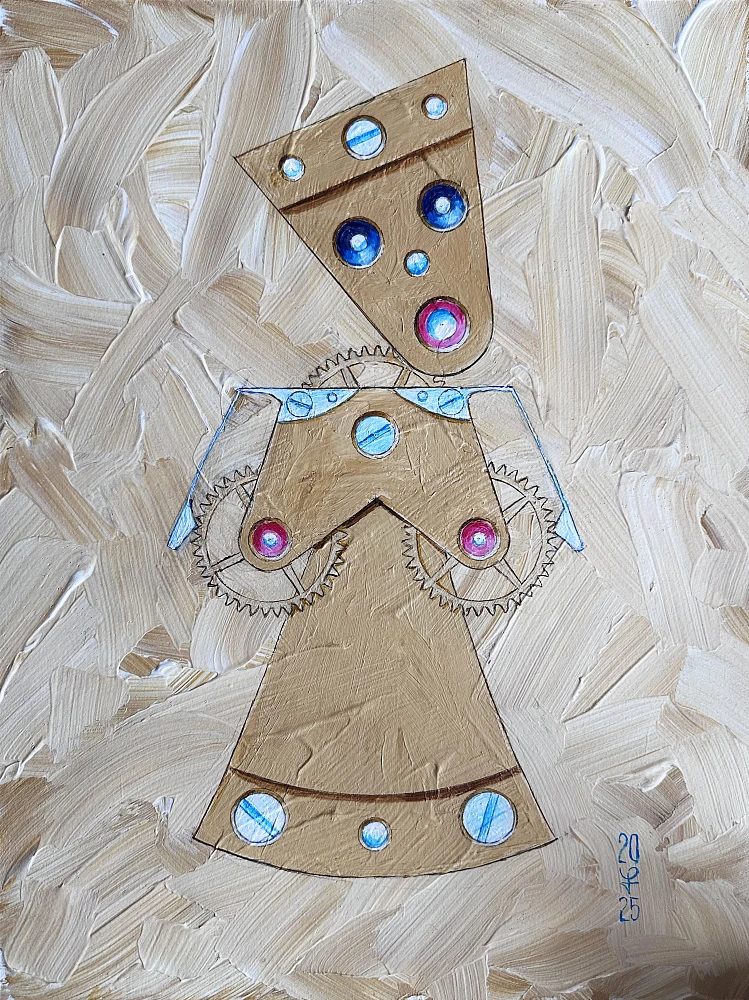
At the core of the painting ‘Chronobust’ lies the principle of merging a female image with the watch movement.
In Haute Horology, an idea is resolved into engineering. In artwork, it remains a living thought, captured in the moment.
On the canvas, Konstantin Chaykin creates a composite image of the Horological Archetype.
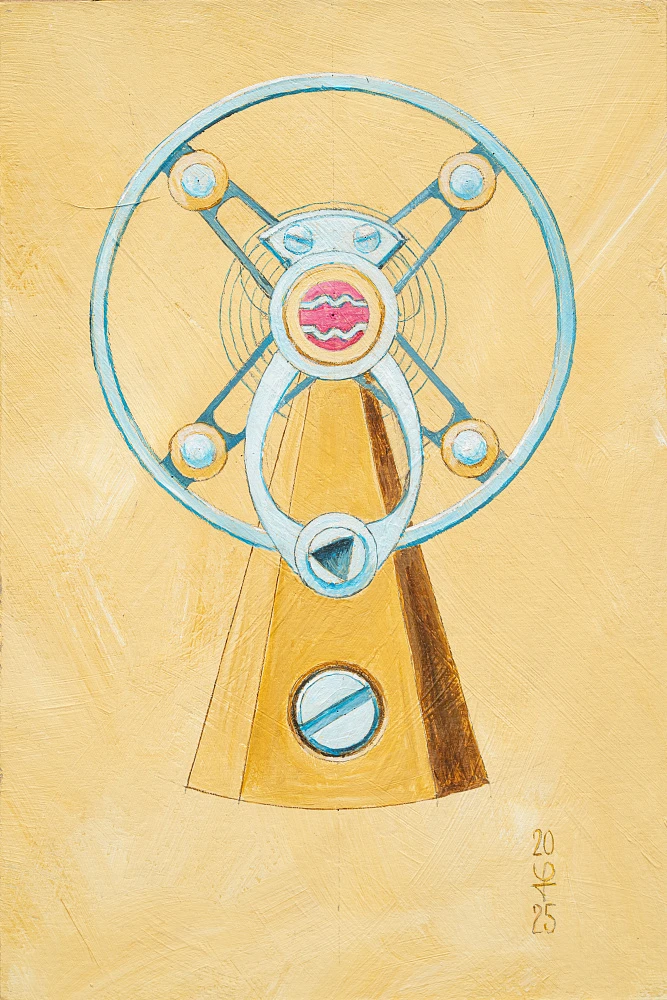
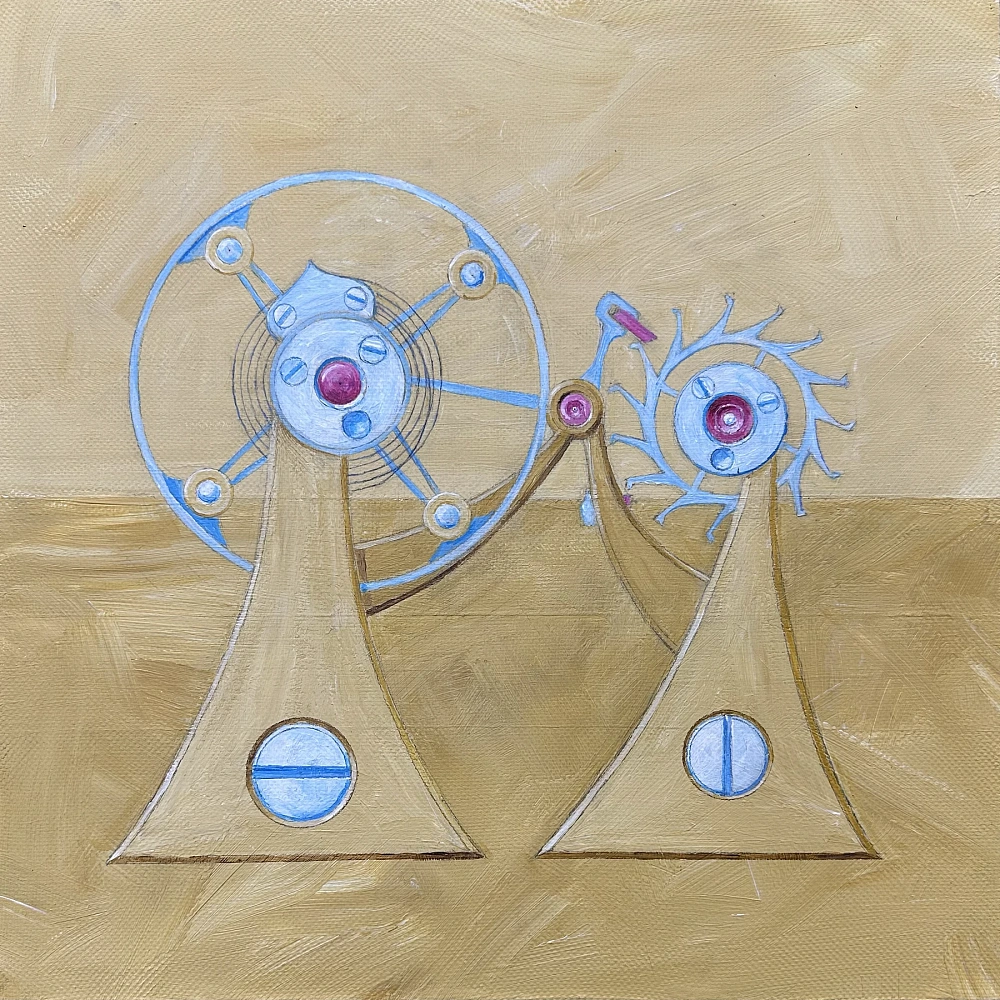
‘Oscillia 2’ continues the ‘Time-Magic Enchantresses’ Universum and focuses on oscillations—the regular swing of the balance wheel between two extreme positions — which form the basis of a watch movement's precision.
In the painting ‘Obsessed With Time 2,’ Konstantin Chaykin captures a state when time ceases to be an object of measurement and becomes the medium in which consciousness resides.
The motif of the wheel of fortune belongs among the enduring images of medieval philosophy: the goddess Fortune turns her wheel, raising some and casting down others, leaving to the human being only the acceptance of this movement's inevitability.
The concept underlying the artwork is bound up with the number twelve, which orders nature, calculation, and thought all at once.
In Greek mythology, the Moirai are the three goddesses of fate who governed the span of human life.
The hairspring, the finest component of a watch movement, often no thicker than a human hair, which is how it acquired its name as early as the seventeenth century, determines the frequency of the balance's oscillations, and therefore the accuracy of the entire movement: a negligible change in its length or shape can throw a watch off by minutes per day.
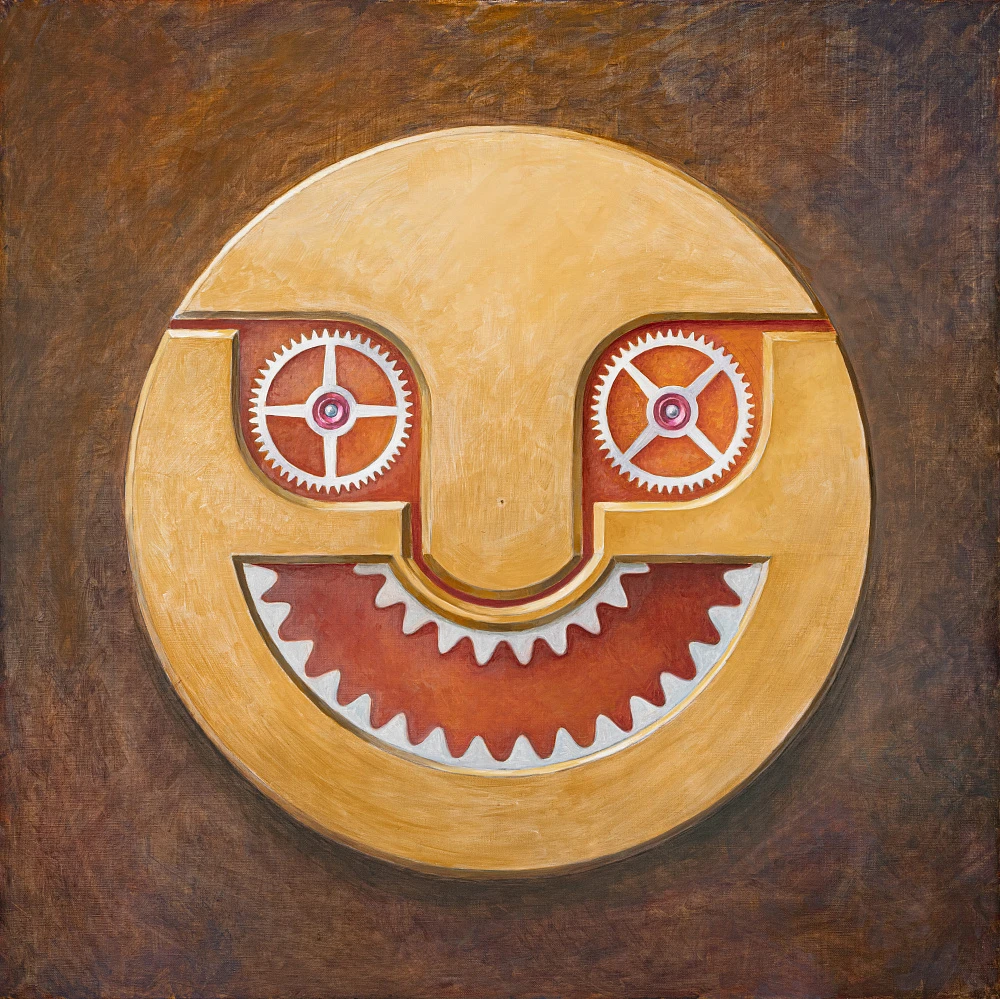
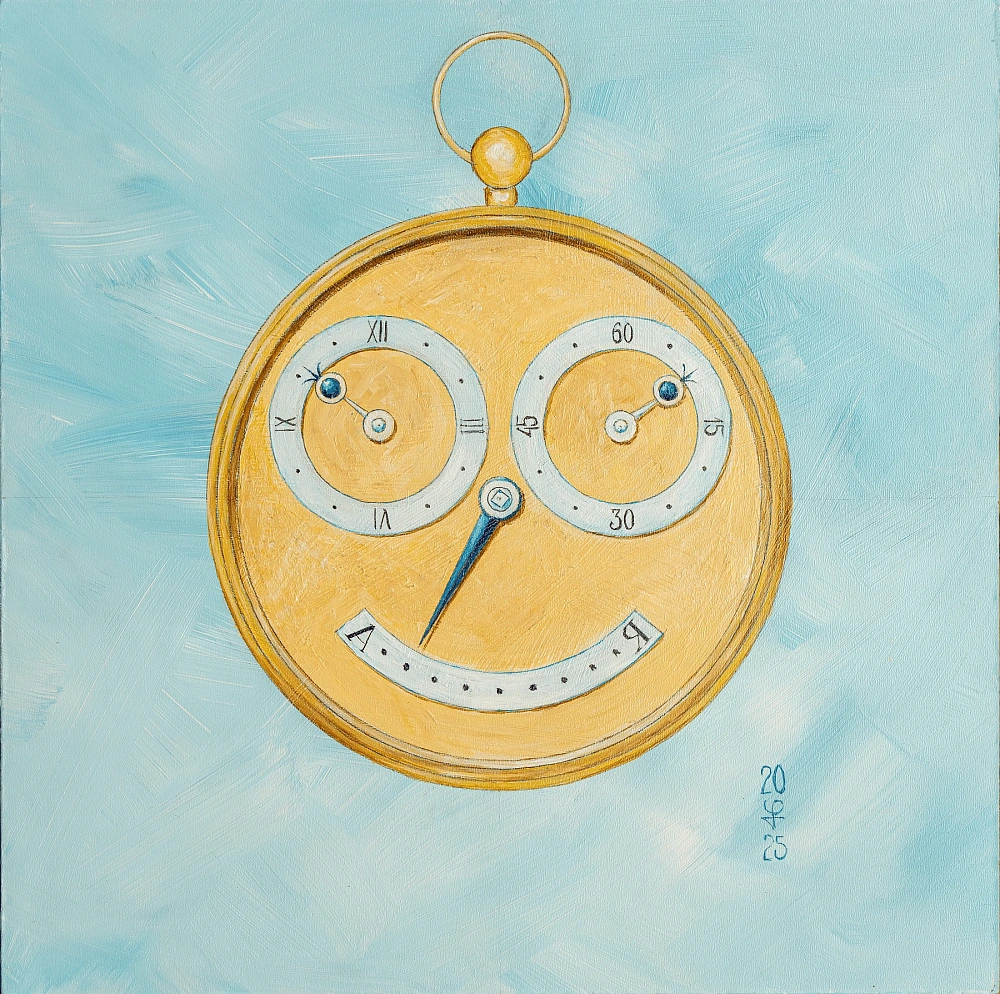
The mask as an artistic image carries its own long-standing tradition: it conceals the face while, at the same time, laying the character bare, turning a conventional form into a sign of the utmost expressiveness.
‘From A to Z’ continues the visual interpretation of the Horological Archetypes series and builds an image of time as an alphabet spoken without words.
What happens when a wheel is unbalanced? The movement fails, and the watch begins to run inaccurately.
The concept behind the artwork 'Dance' rests on the idea that the precision of a movement and the harmony of a dancing couple obey one and the same principle, the alternating coordination of movement.
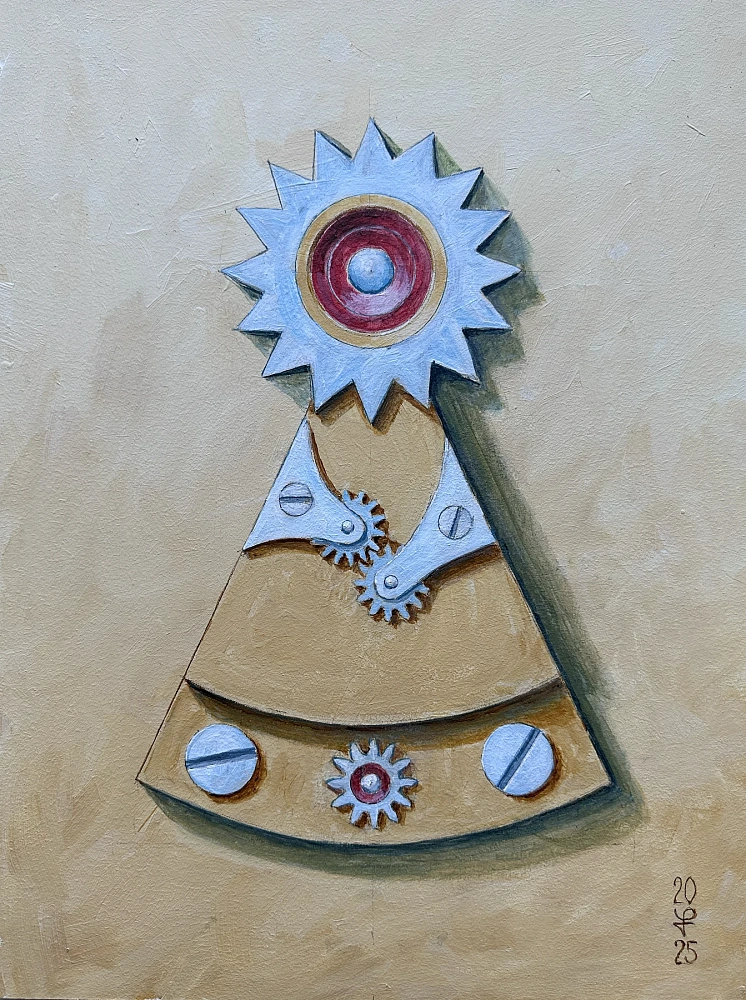
In ‘Christmas Tree 6’, Konstantin Chaykin examines how a symbol, stripped of its familiar context, retains its recognizability even within a different system of coordinates.
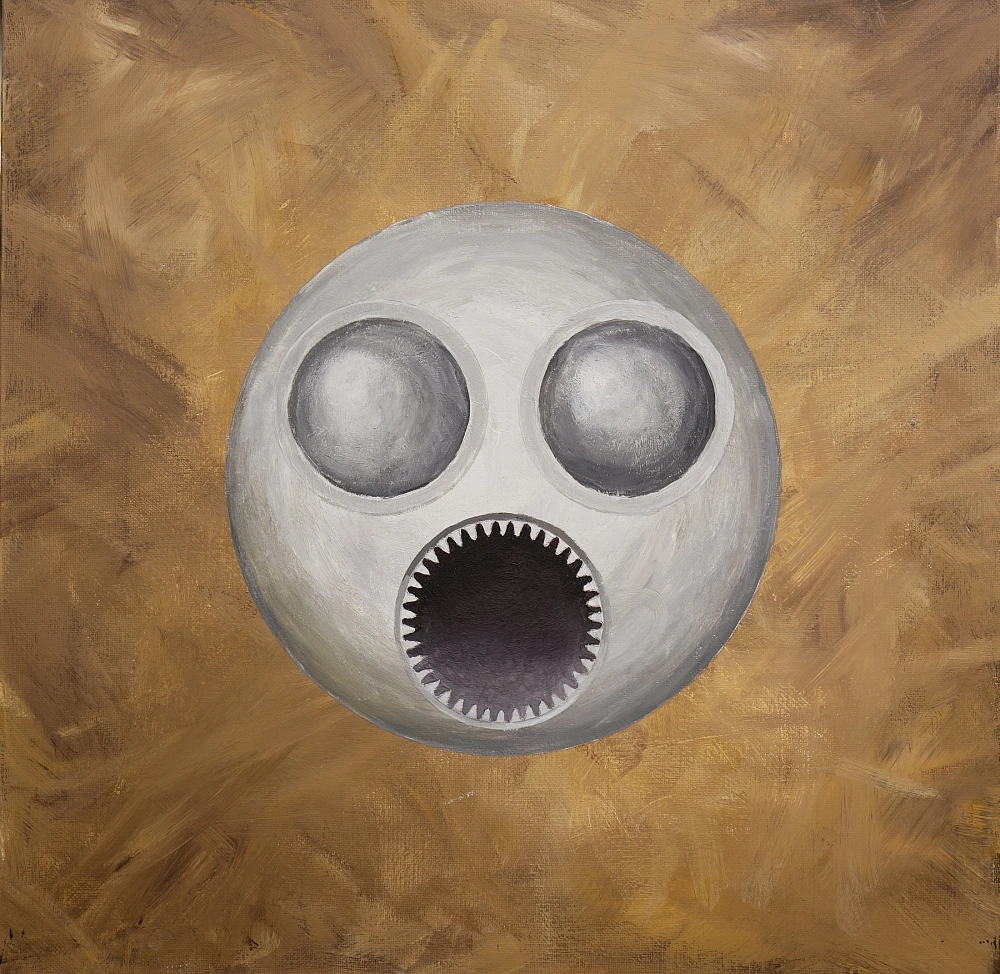
The artwork ‘Time Eater’ is built on the archetype of the all-devouring monster. This image found its widest embodiment in Greek mythology in the figure of Chronos, who devoured his own children.
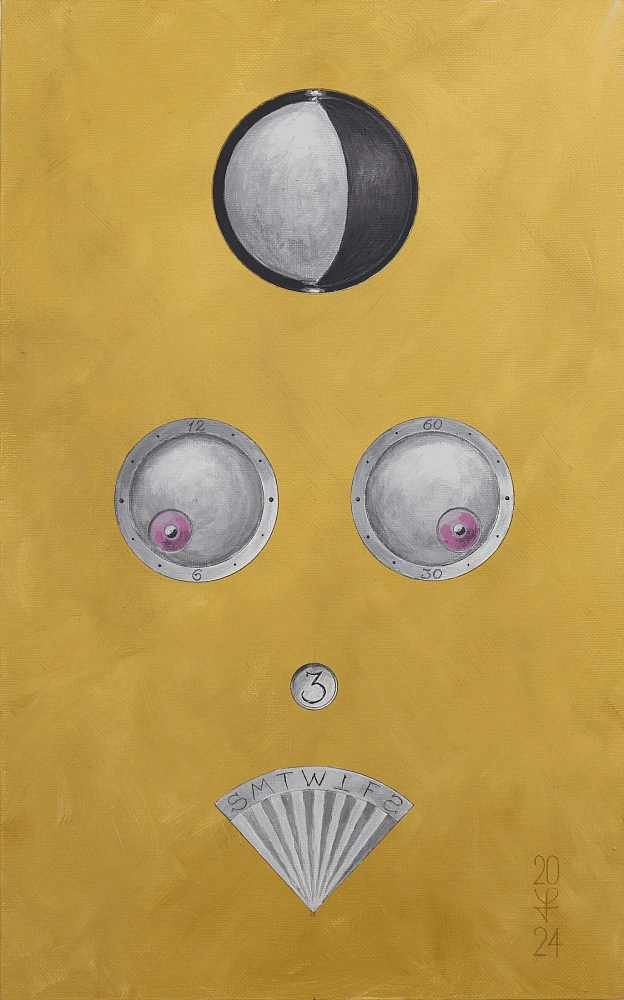
‘Goddess of Tempo’ continues Konstantin Chaykin's exploration of erotomorphism, his authorial principle whereby a dial can acquire not only a functional but also a corporeal, sensual form.
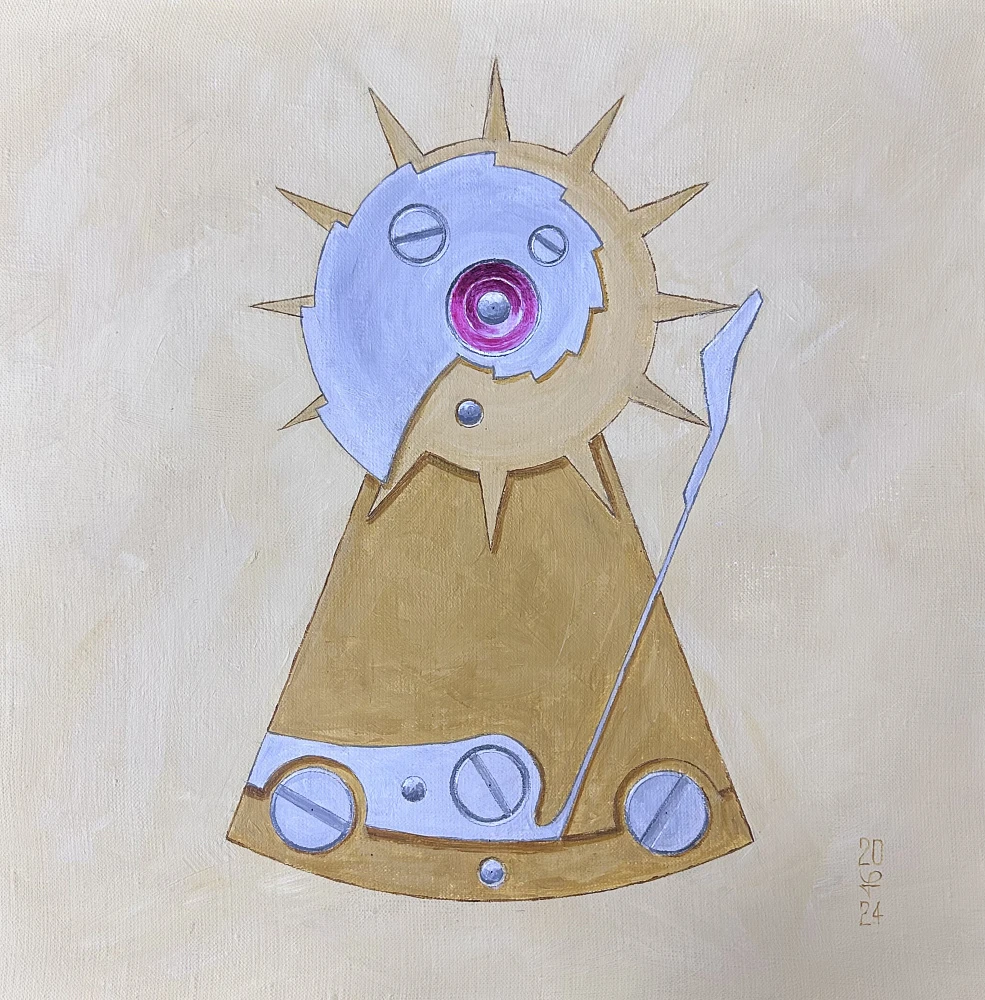
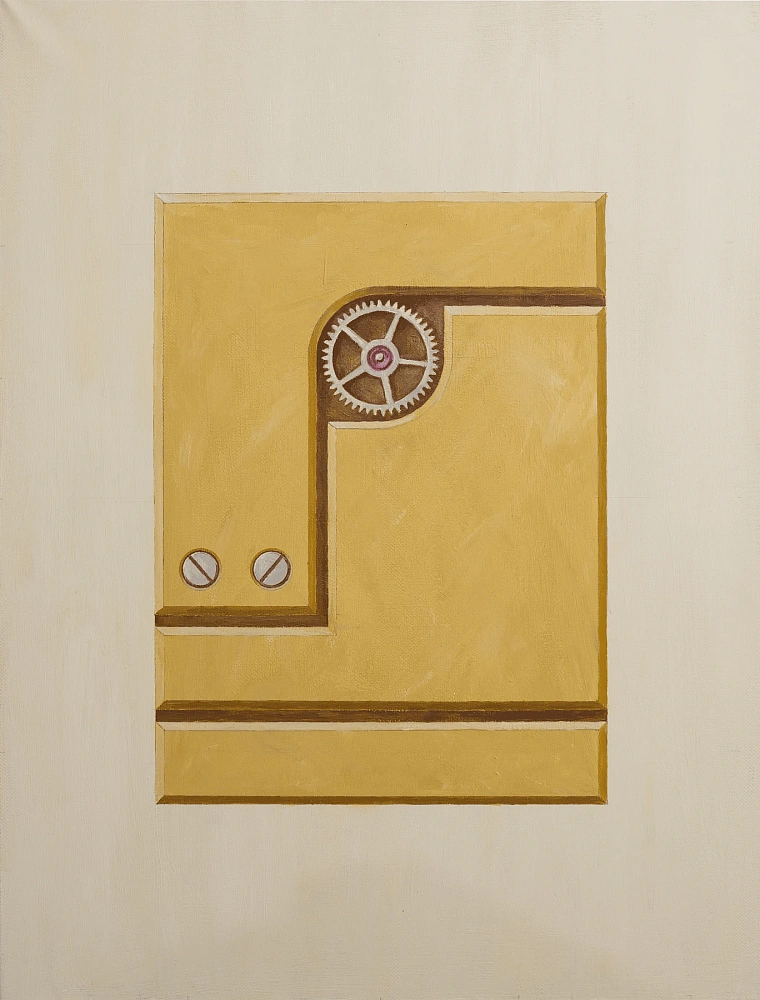
The subject of this artwork is built around a module of an imagined watch movement, rendered in an anthropomorphic style, one of Chaykin's Ghost Watches, existing only within the artist's inner universe and possessing no real technical prototype.
The artwork 'Sandmann' is built at the interUniversum of two cultural layers, united by a single mechanical metaphor.