-
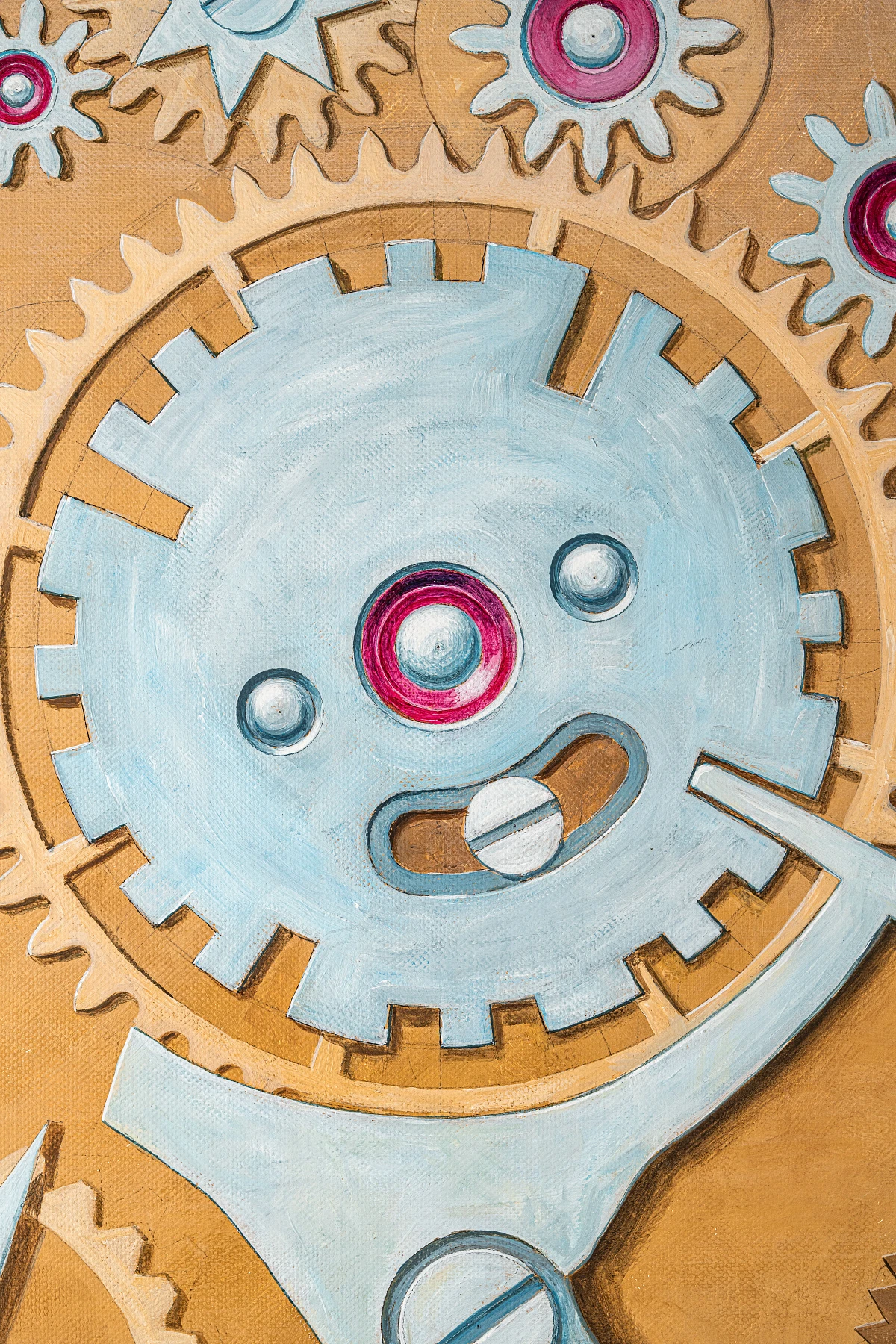
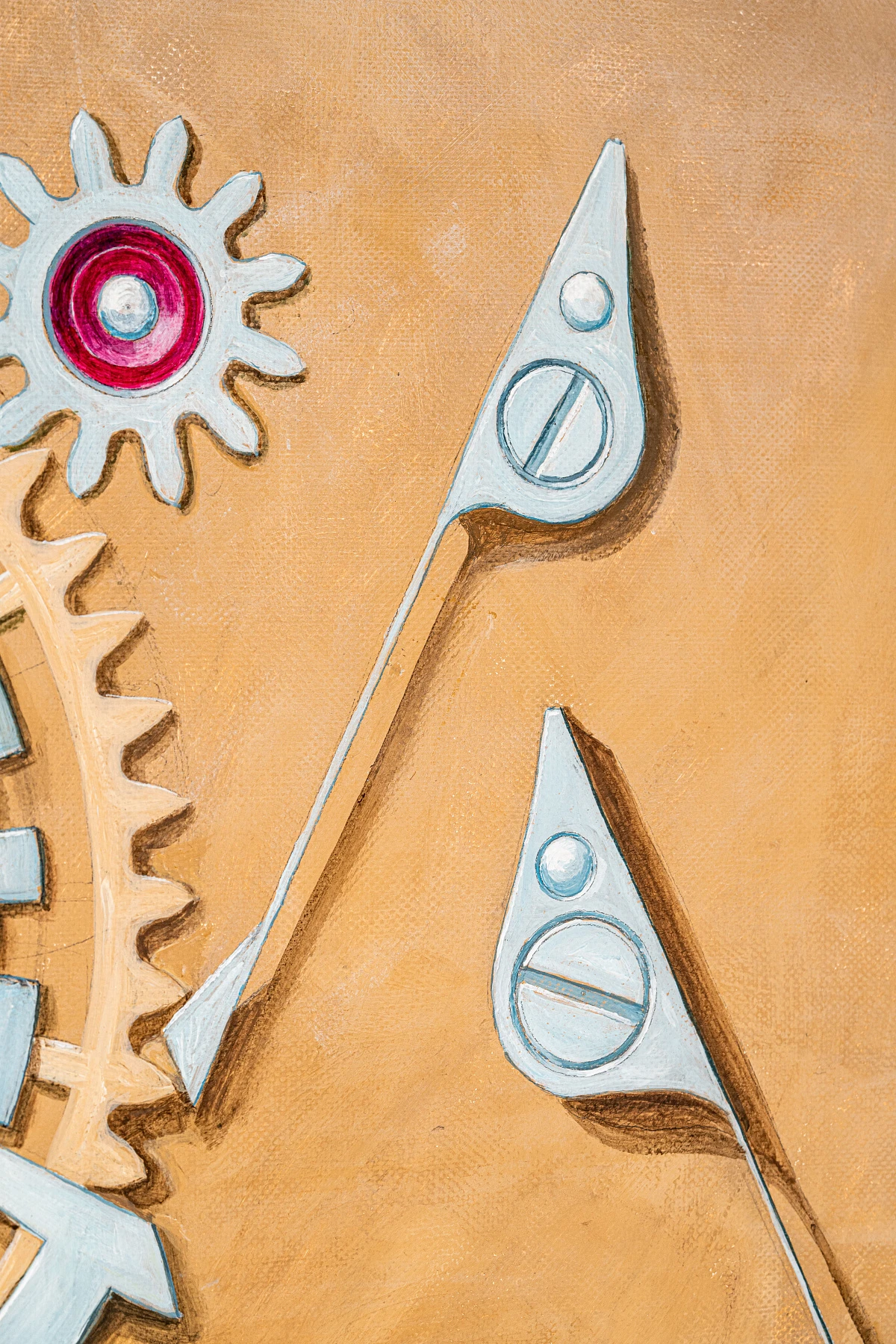
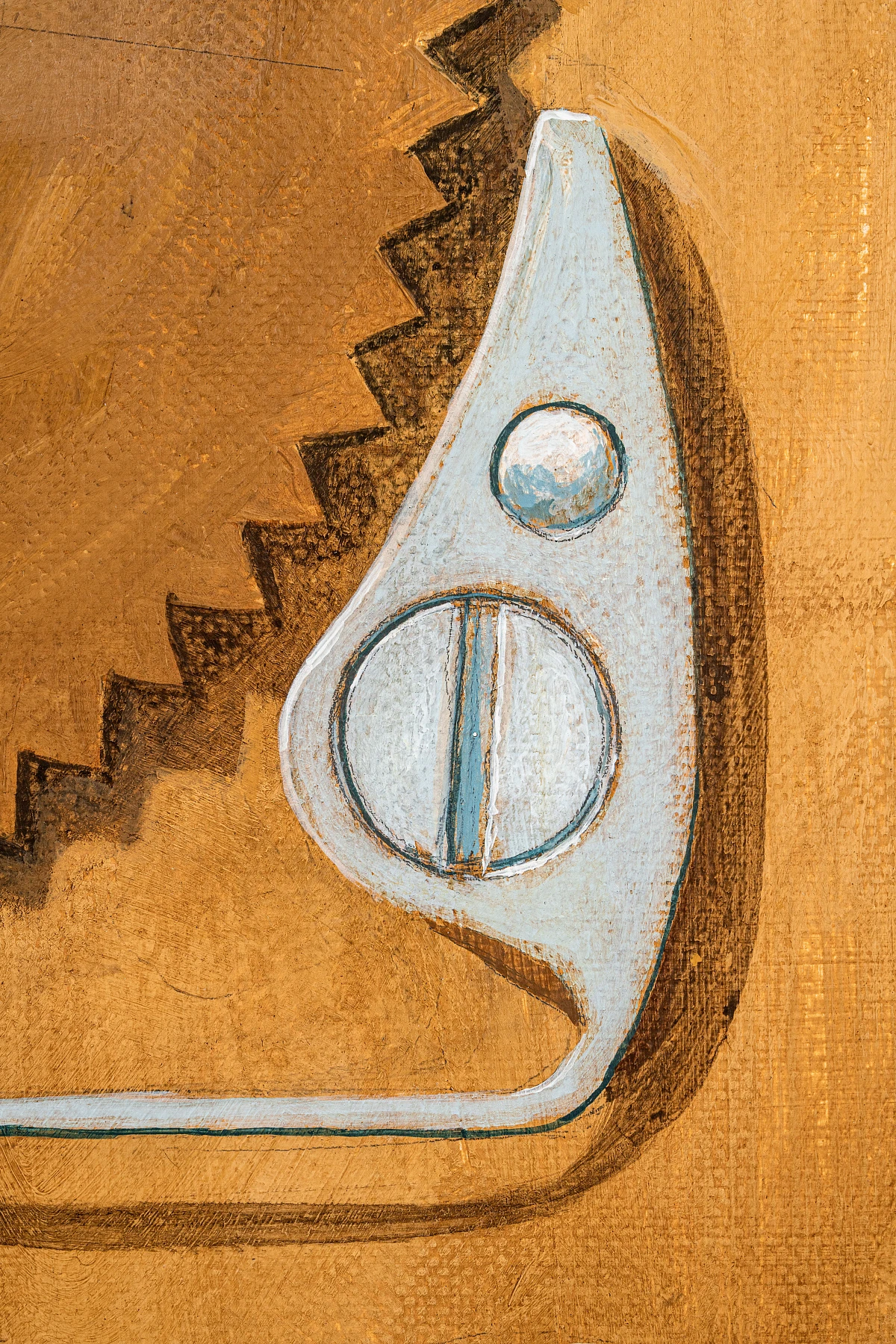
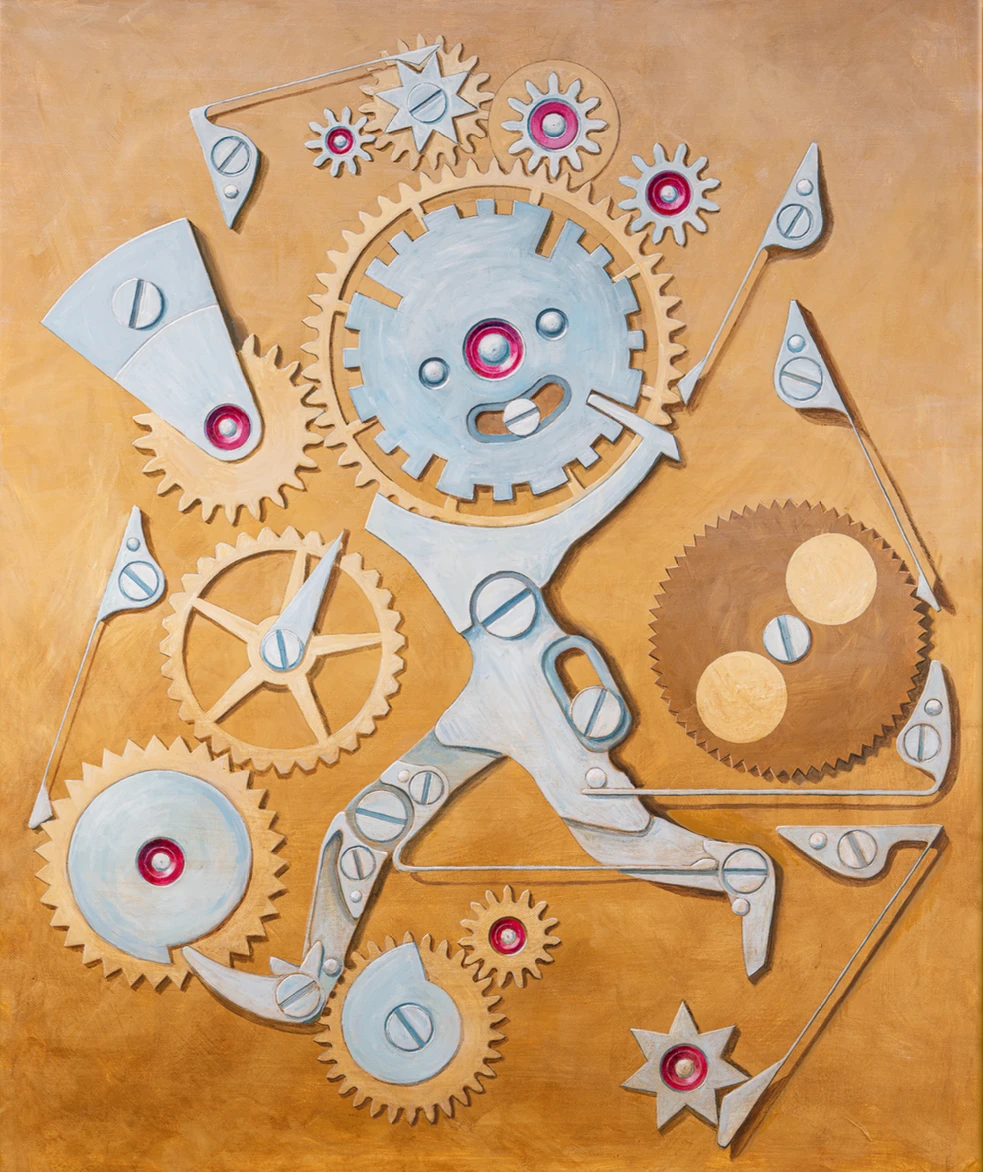
The shape of the perpetual calendar's main lever reminded Chaykin of the legs of a running man — in ‘Ahasuerus,’ this detail becomes a symbol of the never-ending path.
-
The seven-day indication of the days of the week, which has existed for several millennia, repeats itself without interruption, never missing a single day.
-
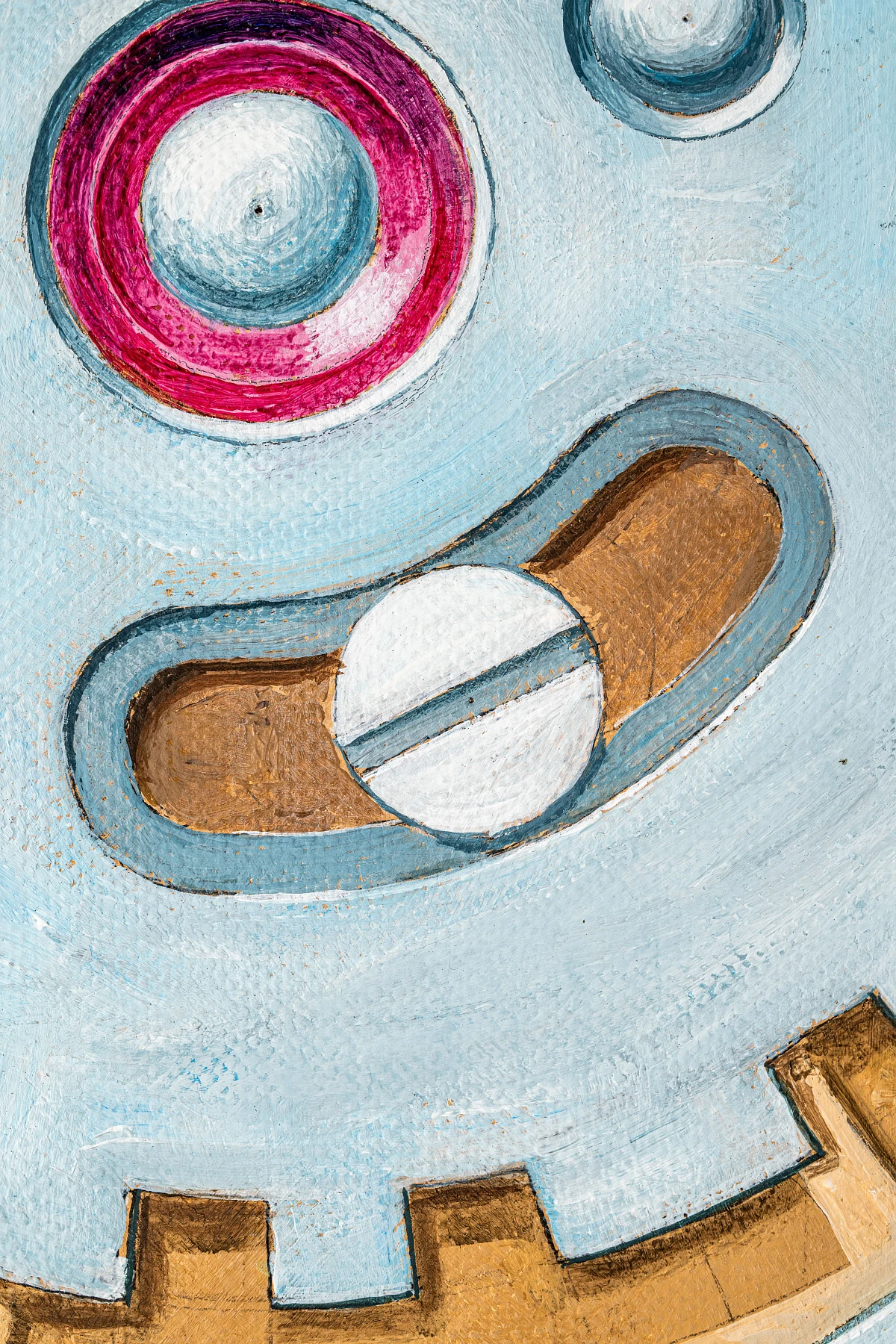
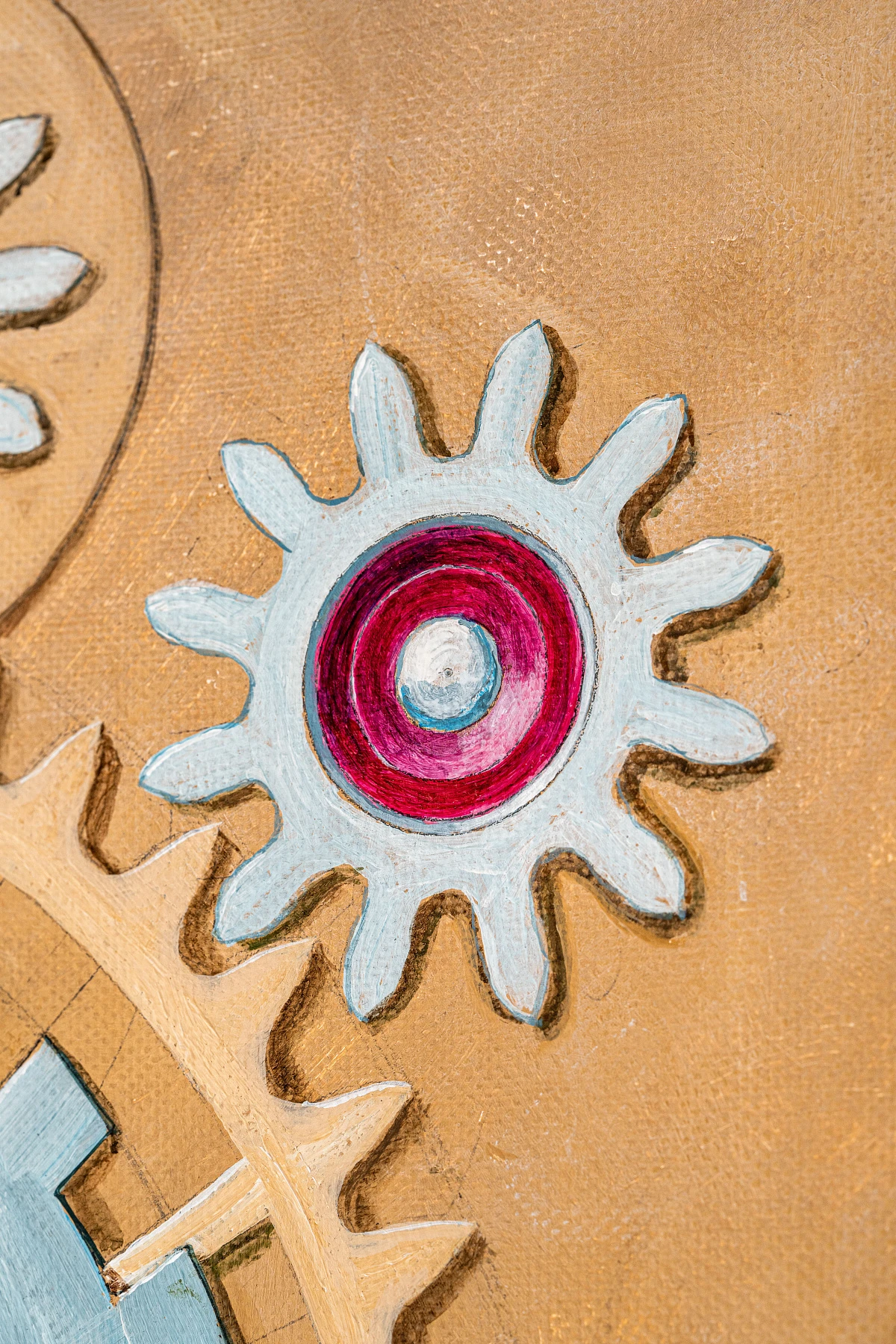
The 24-hour wheel moves at the rate of one revolution per day and governs the daily cycle of day and night.
-
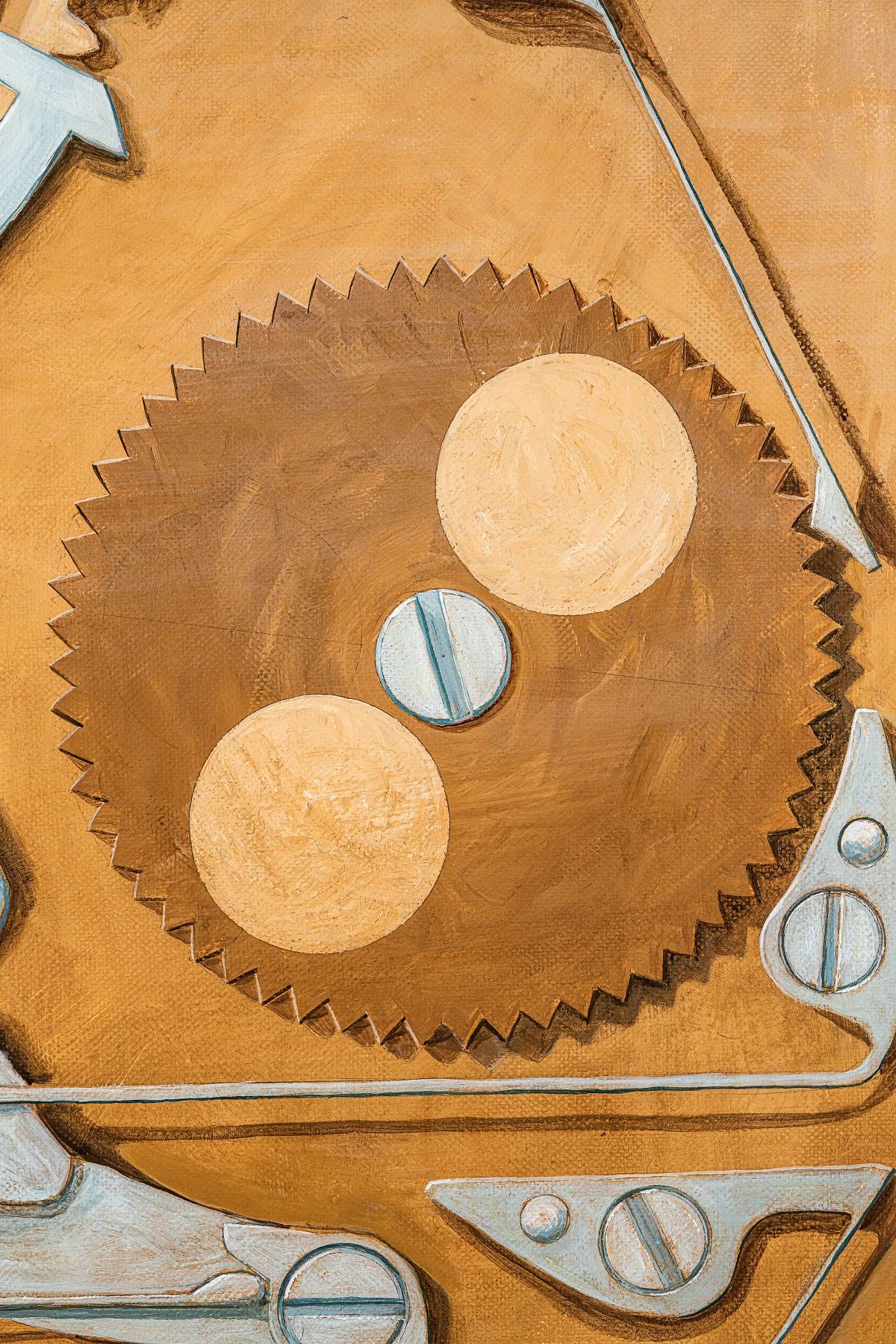
The moon-phase disc, bearing two images of the night luminary, embodies yet another eternal cycle — the changing of the lunar phases, repeating throughout Ahasuerus's endless journey.
About the artwork
The subject of Ahasuerus turns to the Christian legend of the eternal wanderer, whose very name became a byword for the idea of endless, unstoppable time. According to the legend, which took shape in European tradition by the close of the Middle Ages, Ahasuerus, a Jerusalem cobbler (in other versions, the doorkeeper of Pontius Pilate's house), pushed Christ away on the day of the Crucifixion as he carried his cross to Golgotha, refusing him even a moment's rest against the wall of his house. For this refusal of compassion he was condemned to wander forever without the right to die, to wait for the Second Coming, of which he alone among the living is destined to be a witness. The legend of Ahasuerus, also known as the Wandering Jew, spread across Europe in the seventeenth century through anonymous German pamphlets and has since nourished literature and art from Goethe and Shelley to Eugène Sue, each returning to the same core of the myth: a punishment consisting not of death but of its eternal deferral, and time itself turned into a form of retribution.
It is precisely this temporal structure, an infinity with no hope of conclusion, that drew Konstantin Chaykin's attention, and so another vital core of meaning in this work is found in the natural theology of William Paley, for whom a complex watch movement served as evidence of a world executioned with intention rather than left to chance, the watchmaker's argument for execution. The motif of unending motion finds expression through the elements of the watch movement.
Universum ‘Alice in Wonderland’
It is precisely this temporal structure, an infinity with no hope of conclusion, that drew Konstantin Chaykin's attention, and so another vital core of meaning in this work is found in the natural theology of William Paley, for whom a complex watch movement served as evidence of a world executioned with intention rather than left to chance, the watchmaker's argument for execution. The motif of unending motion finds expression through the elements of the watch movement.
I do not paint archetypes. I construct them, as one constructs a watch movement: through structure, mechanics, and the logic of time.