Back


A Mad Horological Party
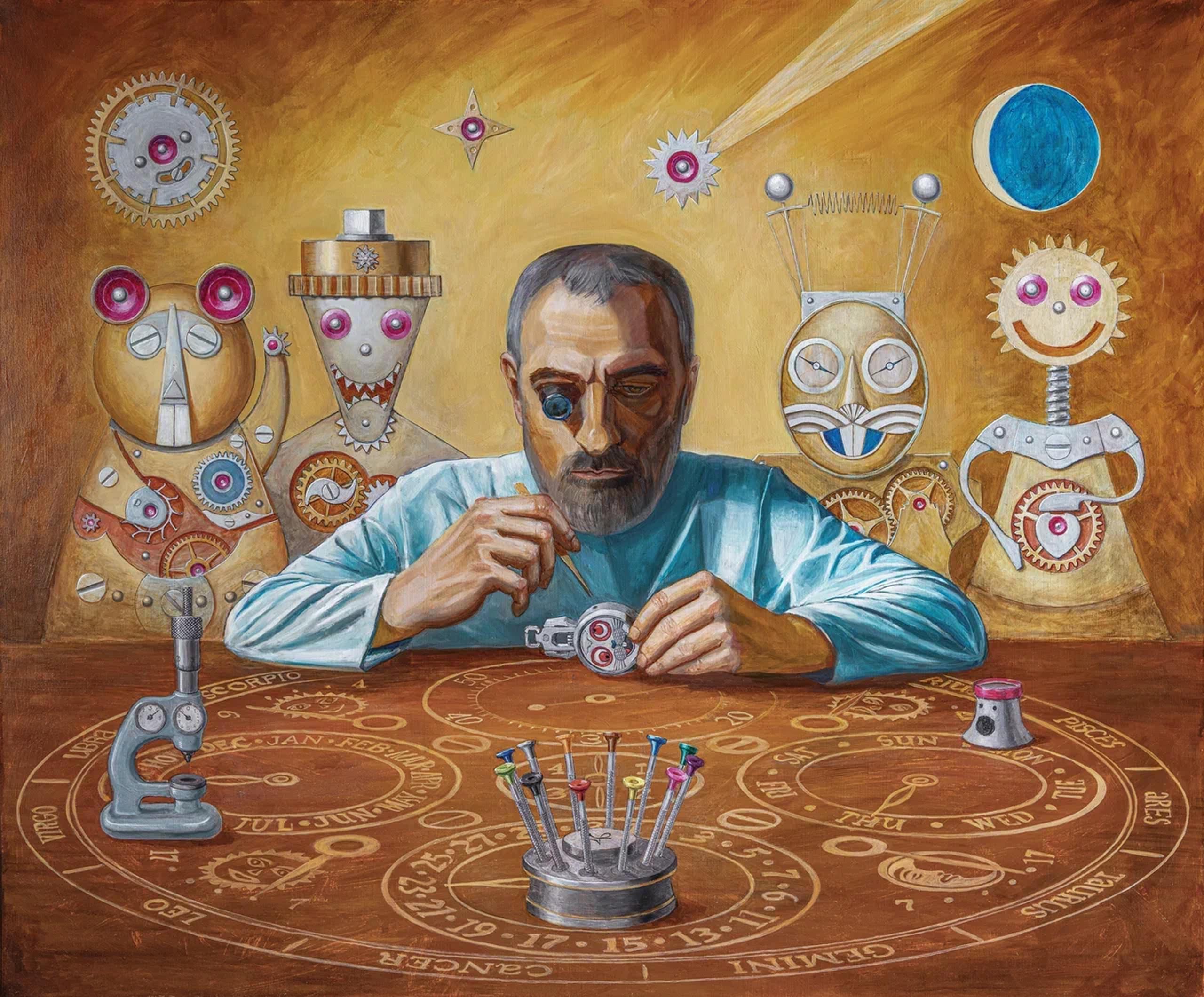
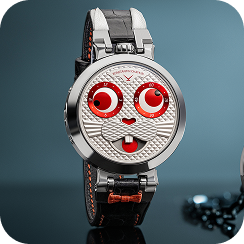
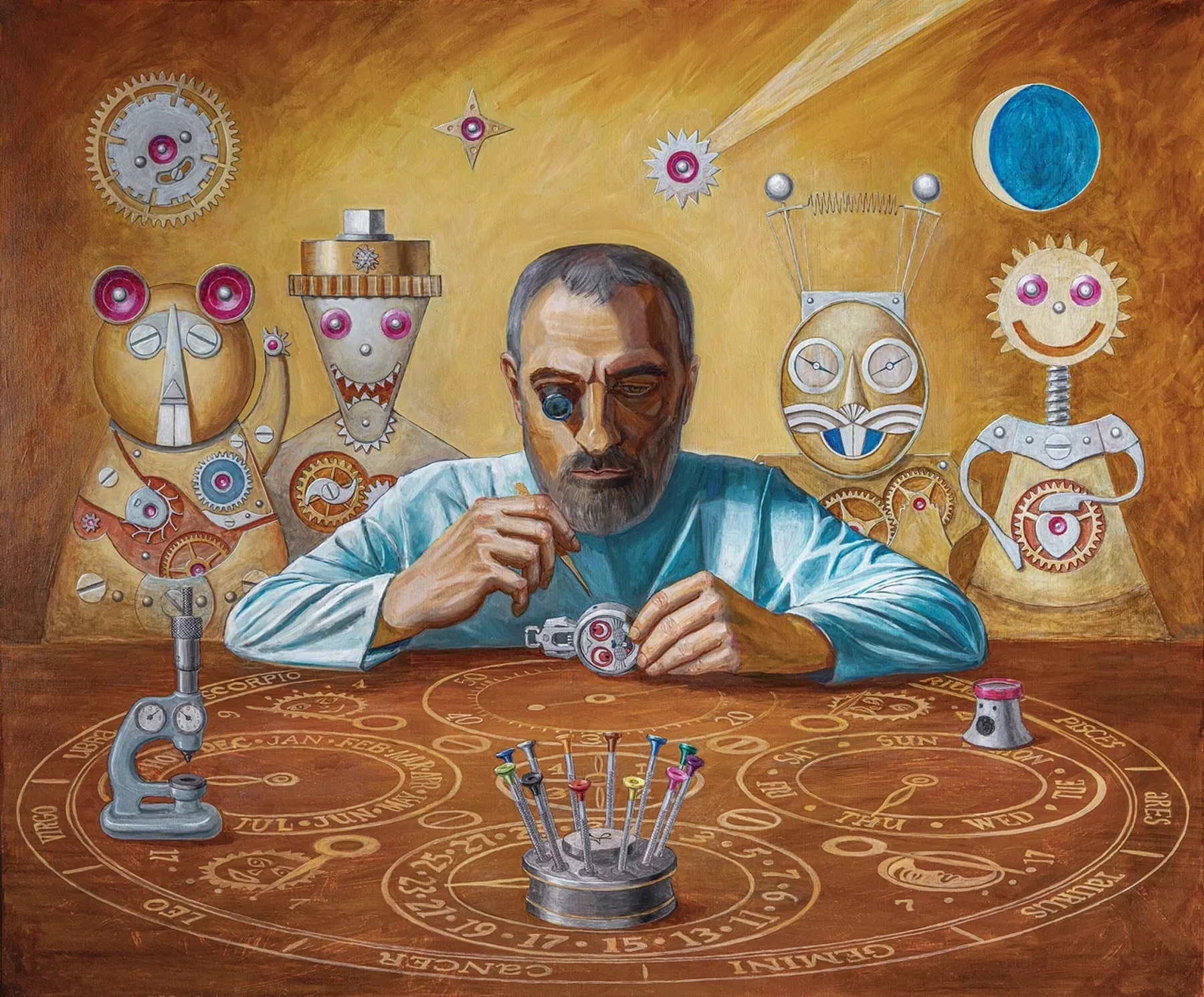
Many, though not all, of the themes that inspire Chaykin as an artist are in some way connected to the timepieces he creates. In the case of the A Mad Horological Party artwork, the connection is clear: the concept for this artwork emerged as a metaphor for the creation of the highly complex White Rabbit watch, one of his most recent masterpieces, named after a character from Lewis Carroll’s Alice in Wonderland. The artwork title is a direct quote from the book, specifically from its seventh chapter, “A Mad Tea-Party.” However, some clarification is needed, as the White Rabbit, the first magical character Alice encounters in the story, appears in the first chapter, not the seventh. The inspiration for Chaykin’s White Rabbit watch was the refreshingly strange idea that a white rabbit could use a pocket watch, which raises the logical question: why has Chaykin as a painter not been inspired (at least not yet) by the scene preceding the fall down the rabbit hole, or by the fall itself?
The answer lies in Konstantin Chaykin’s keen interest in Lewis Carroll’s references to the concept of time, and, as luck would have it, Chapter Seven contains many such remarks. As a watchmaker, Chaykin drew extensively from this chapter when developing his White Rabbit watch project, including the fundamental concept of the suspended time function (the “Time of a Mad Tea-Party” function), inspired by the Hatter’s admission that Time had stopped his time at six o’clock (“it’s always tea-time”), as well as the puzzling idea that a watch can display the day of the month and even the year without telling the time. Therefore, in the artwork A Mad Tea-Party, Chaykin depicts himself assembling the White Rabbit watch, surrounded by characters from Chapter Seven of Alice in Wonderland. It is important to note that these images are entirely products of his imagination.
The unfolding story inspired Konstantin Chaykin to further explore the world created by his imagination, influenced by the creative genius of Lewis Carroll. This resulted in several works that can be considered preparatory studies for the A Mad Horological Party artwork, such as March Har.1, Week-Maiden, Ahasuerus, and Dormouse, although they are undoubtedly self-sufficient artwork. This is especially true of Ahasuerus, which tells a separate story directly related to the development of the White Rabbit watch.
Subjects similar to Chaykin’s A Mad Horological Party are quite rare in the history of artwork. Artists typically paint self-portraits, choosing themselves as the model. Sometimes they choose the related genre of the hidden self-portrait, disguising their image as other characters. This approach was taken by Raphael in his fresco The School of Athens, Sandro Botticelli in The Adoration of the Magi, and Caravaggio in David with the Head of Goliath. Konstantin Chaykin favours the allegorical self-portrait, placing himself in seemingly realistic circumstances while simultaneously surrounding his figure with imaginary, mechanical characters of his own creation. In this sense, his A Mad Tea-Party is similar to some of Marc Chagall’s self-portraits, in which he sometimes supplemented his portrait with fantastic images of his own creation, for example, the figure of a flying man or a muse, as in the artwork Self Portrait with the Muse.
The artist’s active involvement in creating the “universe” he depicts defines Chaykin’s uniqueness as an artist. He portrays himself, quite realistically, as a watchmaker seated at his workbench, assembling the White Rabbit watch. However, the narrative is far from exhaustive: Chaykin is surrounded by the characters of a Mad Tea-Party—Alice, the March Hare, the Dormouse, and the Hatter—not as we are accustomed to imagining them, but as fantastical clockwork structures conceived by Chaykin, some of which have already appeared in his other artworks. This whimsical, phantasmagorical play of imagination is a hallmark of Chaykin as an artist, and in this, he is very close to the fairytale world of Alice in Wonderland.
The answer lies in Konstantin Chaykin’s keen interest in Lewis Carroll’s references to the concept of time, and, as luck would have it, Chapter Seven contains many such remarks. As a watchmaker, Chaykin drew extensively from this chapter when developing his White Rabbit watch project, including the fundamental concept of the suspended time function (the “Time of a Mad Tea-Party” function), inspired by the Hatter’s admission that Time had stopped his time at six o’clock (“it’s always tea-time”), as well as the puzzling idea that a watch can display the day of the month and even the year without telling the time. Therefore, in the artwork A Mad Tea-Party, Chaykin depicts himself assembling the White Rabbit watch, surrounded by characters from Chapter Seven of Alice in Wonderland. It is important to note that these images are entirely products of his imagination.
The unfolding story inspired Konstantin Chaykin to further explore the world created by his imagination, influenced by the creative genius of Lewis Carroll. This resulted in several works that can be considered preparatory studies for the A Mad Horological Party artwork, such as March Har.1, Week-Maiden, Ahasuerus, and Dormouse, although they are undoubtedly self-sufficient artwork. This is especially true of Ahasuerus, which tells a separate story directly related to the development of the White Rabbit watch.
Subjects similar to Chaykin’s A Mad Horological Party are quite rare in the history of artwork. Artists typically paint self-portraits, choosing themselves as the model. Sometimes they choose the related genre of the hidden self-portrait, disguising their image as other characters. This approach was taken by Raphael in his fresco The School of Athens, Sandro Botticelli in The Adoration of the Magi, and Caravaggio in David with the Head of Goliath. Konstantin Chaykin favours the allegorical self-portrait, placing himself in seemingly realistic circumstances while simultaneously surrounding his figure with imaginary, mechanical characters of his own creation. In this sense, his A Mad Tea-Party is similar to some of Marc Chagall’s self-portraits, in which he sometimes supplemented his portrait with fantastic images of his own creation, for example, the figure of a flying man or a muse, as in the artwork Self Portrait with the Muse.
The artist’s active involvement in creating the “universe” he depicts defines Chaykin’s uniqueness as an artist. He portrays himself, quite realistically, as a watchmaker seated at his workbench, assembling the White Rabbit watch. However, the narrative is far from exhaustive: Chaykin is surrounded by the characters of a Mad Tea-Party—Alice, the March Hare, the Dormouse, and the Hatter—not as we are accustomed to imagining them, but as fantastical clockwork structures conceived by Chaykin, some of which have already appeared in his other artworks. This whimsical, phantasmagorical play of imagination is a hallmark of Chaykin as an artist, and in this, he is very close to the fairytale world of Alice in Wonderland.
- Reproduction
- Canvas
- Oil
- 100х120 cm
Dormouse
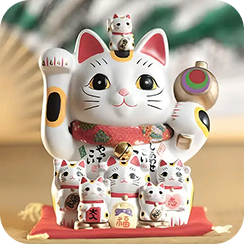
The Dormouse is one of the characters in the Mad Tea Party scene of Alice in Wonderland. Chaykin depicts this character as a Japanese maneki-neko lucky cat figurine, which brings good fortune by waving its raised paw.
The Mad Hatter
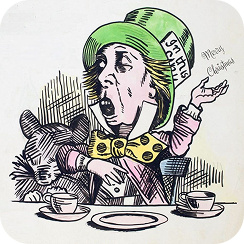
The Hatter is one of the characters in the Mad Tea Party scene. Because of his quarrel with Time, time has stopped forever at six o’clock for him. Reinterpreting the character, Chaykin portrays him bewildered—how could it be otherwise? On his hat—a watch barrel—you can see two gears with 10 and 6 teeth: naturally, this refers to “10 shillings and 6 pence.”
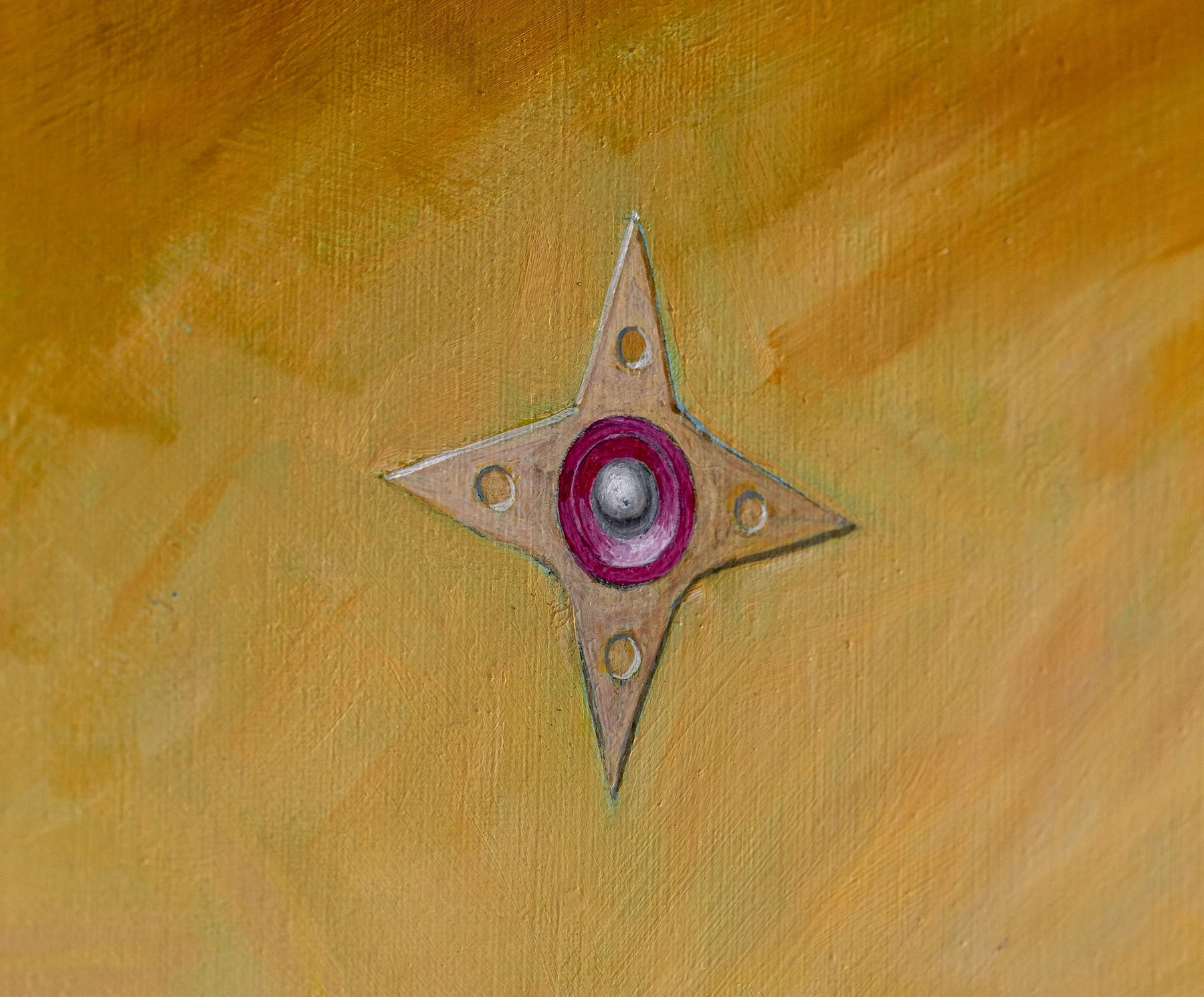
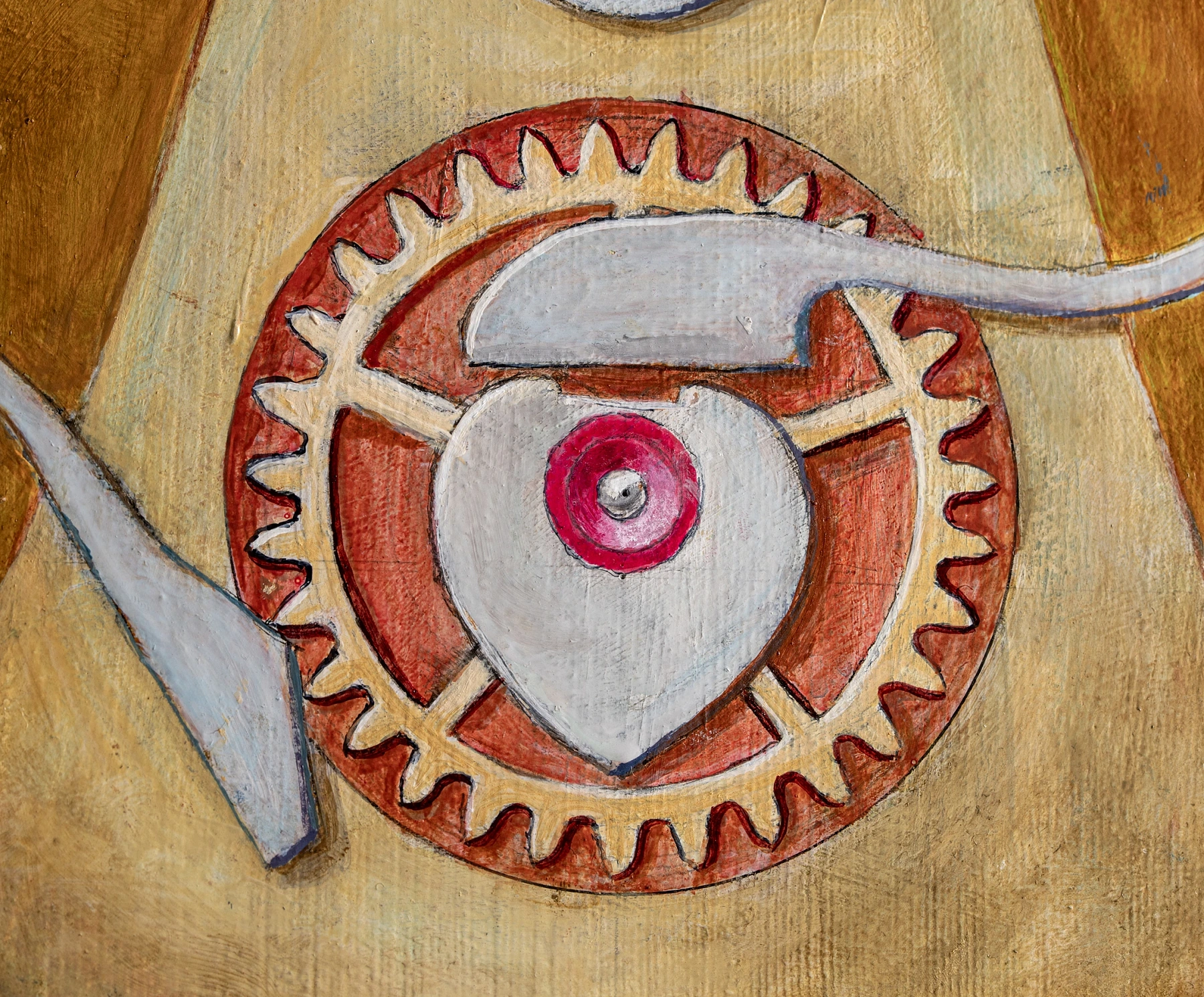
The Star Wheel
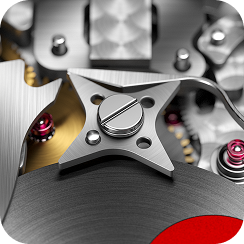
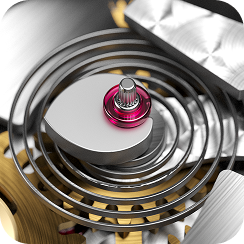
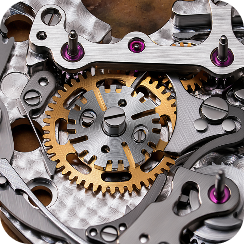
The star wheel is a component of a watch mechanism, made in the form of a wheel with pointed teeth. Star wheels are used, in particular, in AM/PM indicators. The “White Rabbit” watch also contains such components.
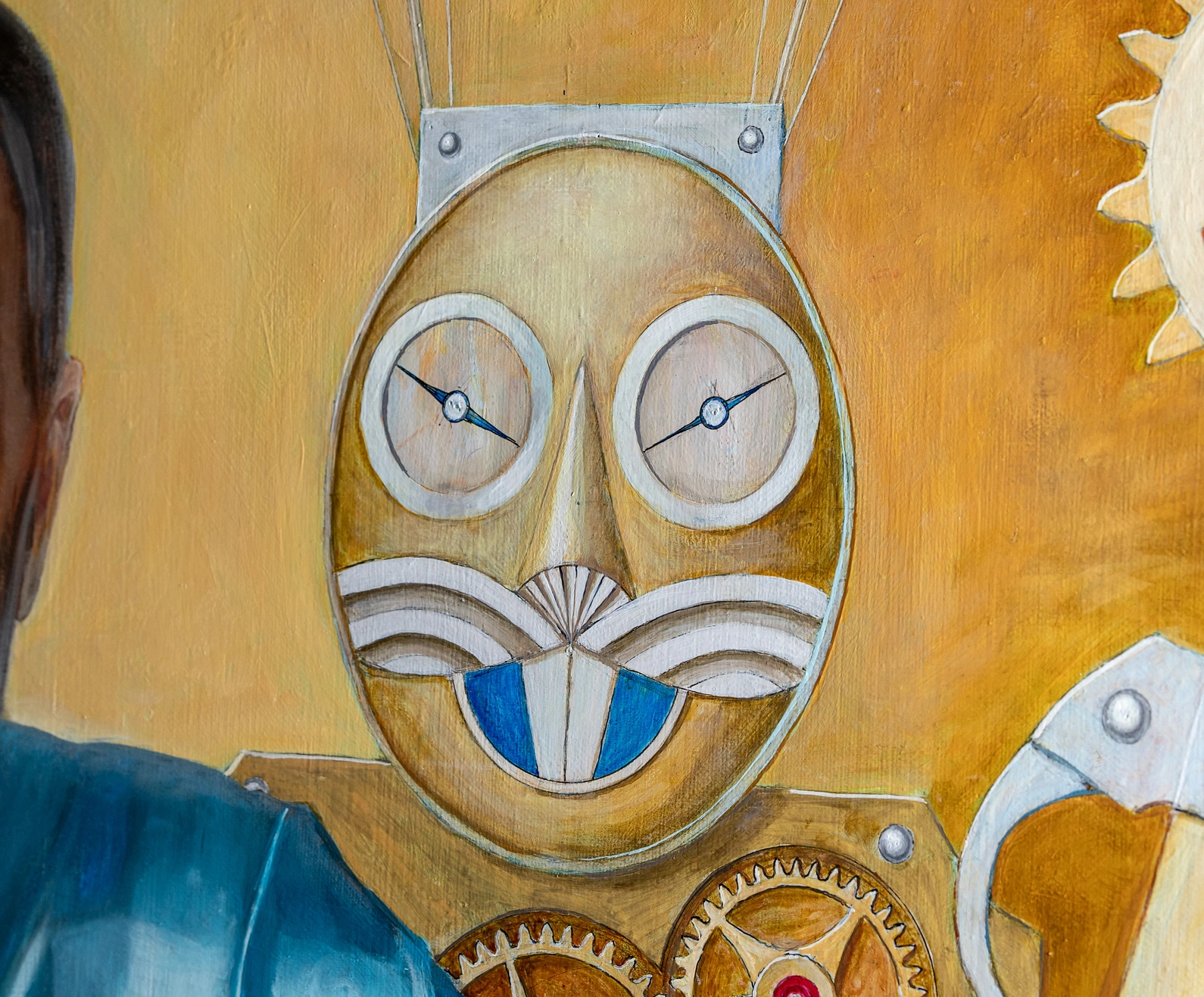
The March Hare
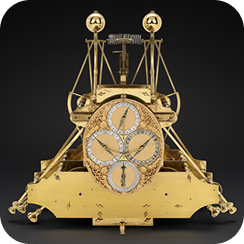
The March Hare is another character of the Mad Tea Party. Chaykin enjoys playing with meanings, combining the March Hare with “March Harrison”—referring to John Harrison, the remarkable English clockmaker and master of marine chronometers, who according to the old calendar was born in March. From Harrison’s first marine clock H1, Chaykin borrowed the distinctive motif of paired balances connected by a spring—and in the painting the hare’s ears appear in exactly this form.
The Moon
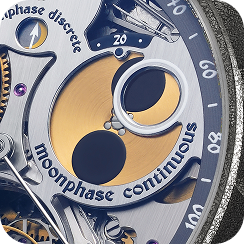
The Moon in this painting is represented in the form of a traditional moon-phase indicator of a watch mechanism—that is, as a round aperture on the dial.
Alice
In the image of Alice, the heroine of Alice in Wonderland, Chaykin represents the complication of time at the Mad Tea Party—a complication he invented for the “White Rabbit” watch. He depicts the character’s stylized hands and the heart-shaped eccentric wheel of the mechanism, which indeed uses such components.
The Astonished Watchmaker’s Loupe
One of the tools that always accompanies a watchmaker. In this painting, the loupe is astonished—no wonder, as before it opens the surreal world of Alice in Wonderland, born from Konstantin Chaykin’s imagination.
Konstantin Chaykin
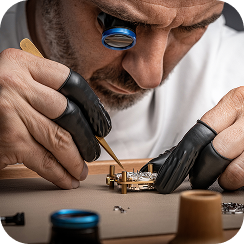
Konstantin Chaykin is not only the author of this painting—he also appears as the creator of the ultra-complicated “White Rabbit” watch. In the storyline of the painting, he is working on this timepiece, completing its assembly and the incredible work that has lasted for three years.
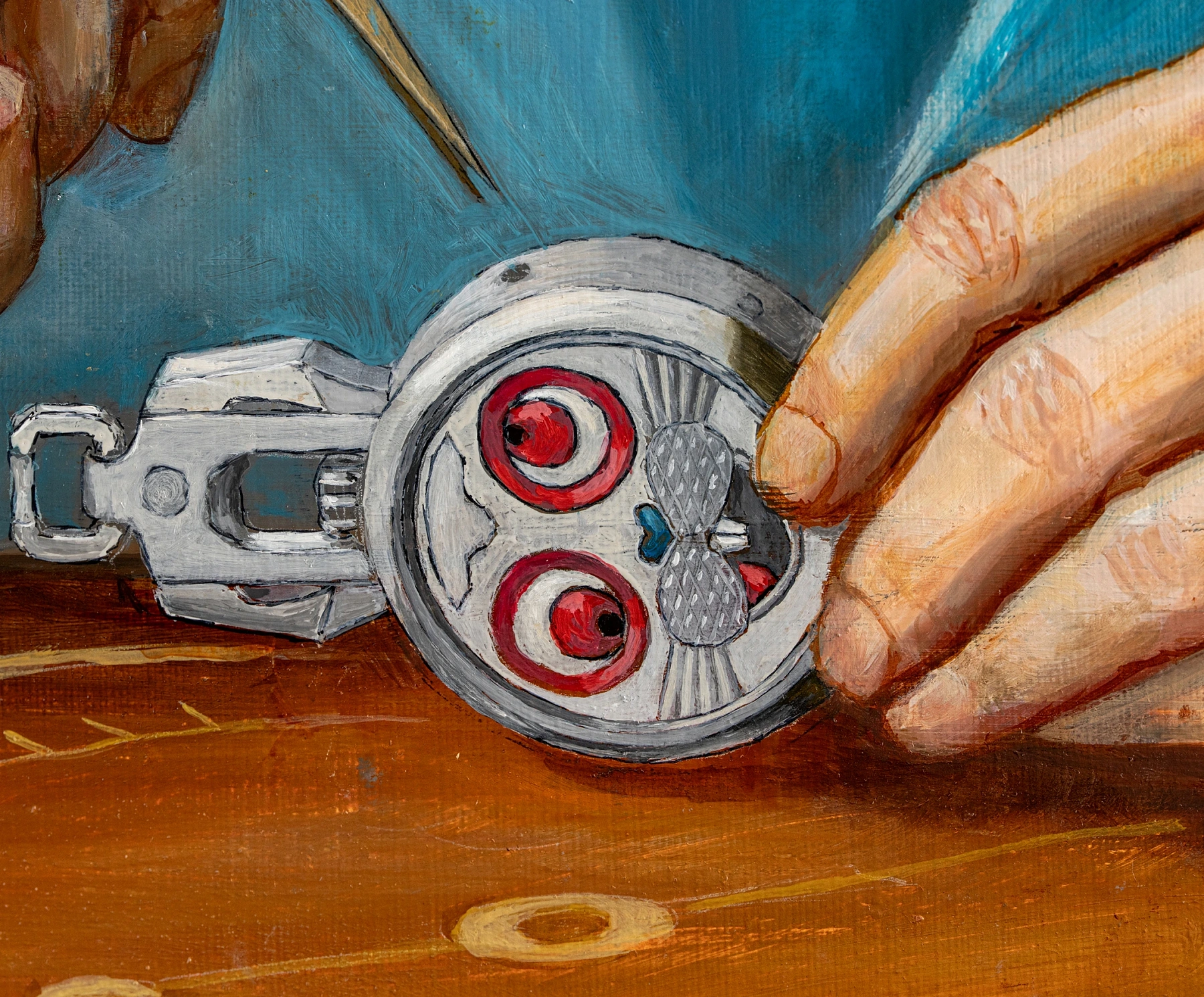
The “White Rabbit” Watch
This wrist- to pocket-watch transformer is depicted in the painting as a pocket watch. Nevertheless, it is presented as a creature that comes to life in the hands of the master. It should be noted that the White Rabbit in the painting has already adapted to the fantastical realities of the Mad Tea Party from Alice in Wonderland: its eyes show that, for it, time has stopped at six o’clock.
The Watchmaker’s Royal Screwdrivers
It’s hard to imagine a watchmaker without a special set of screwdrivers. In this painting Chaykin fantasizes that the tools, arranged in a special stand, become the watchmaker’s crown, with which he is free to create the beings of the surreal world of Alice in Wonderland that he has envisioned. But the crown is not on his head—it is placed before him, a sign that he is not the ruler, but rather his craft reigns supreme.
The Sorrowful Potance
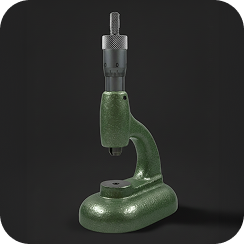
Another tool that always accompanies a watchmaker. Reimagined here, the instrument is sad because it was forgotten and not invited to the Mad Tea Party, and it reflects that next time it is unlikely to maintain a micron-level tolerance.
The Sun
The surreal Sun of the surreal world of Alice in Wonderland, created in Chaykin’s imagination, is shown as the 48-month program cam of the perpetual calendar mechanism of the “White Rabbit” watch. Moreover, this detail resembles the head of the eternal wanderer from Chaykin’s painting Ahasuerus, which was also created based on motifs from the “White Rabbit” watch.
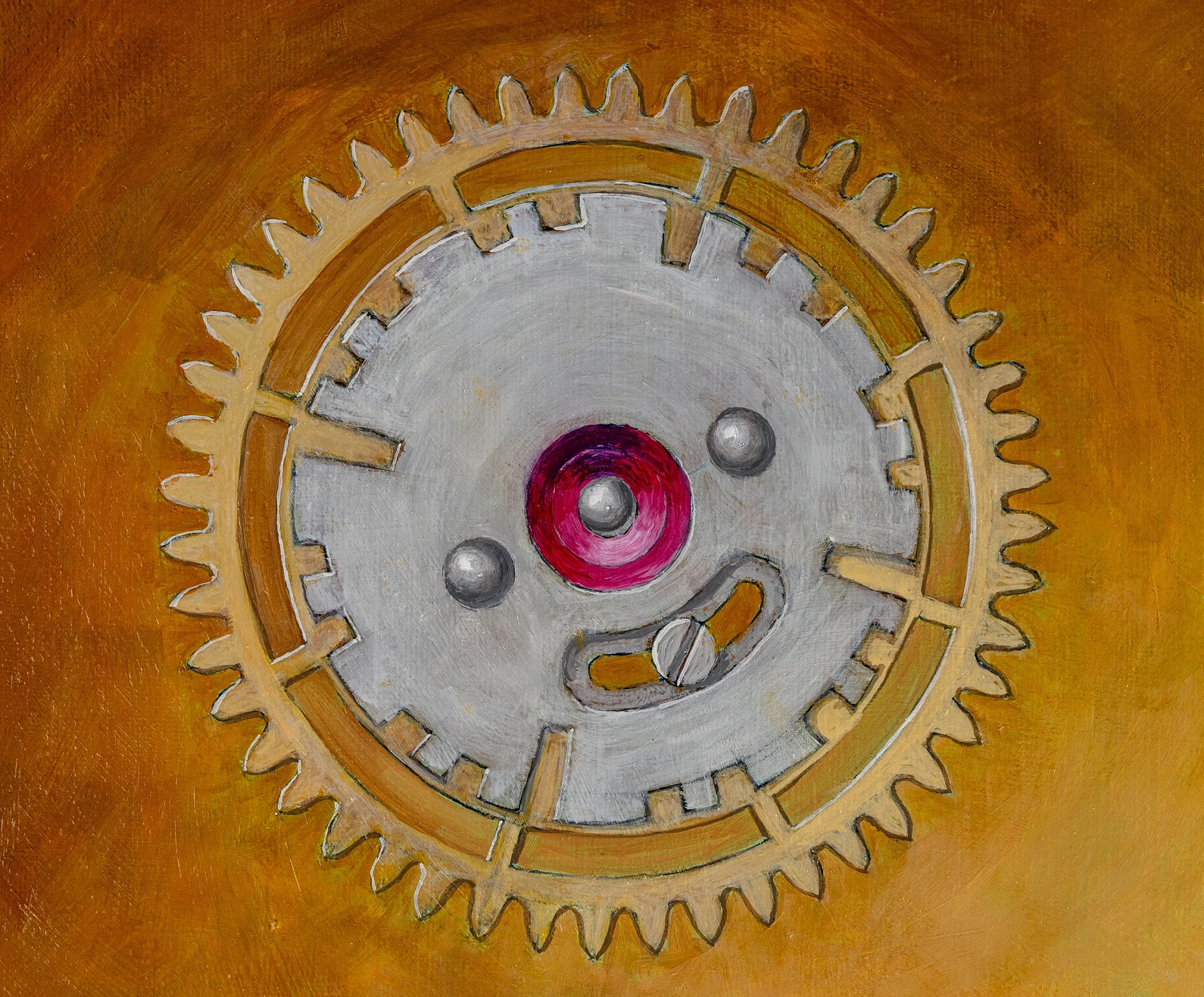
Halley’s Comet
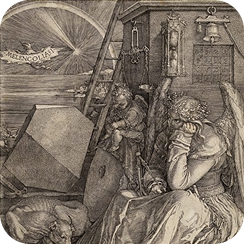
A star wheel that, in Chaykin’s imagination, appears as Halley’s Comet. The master has previously used this motif in his painting Reflection on the Birth of Time as an allusion to Albrecht Dürer’s engraving Melencolia I, where a comet—presumed to be Halley’s Comet—is also depicted.